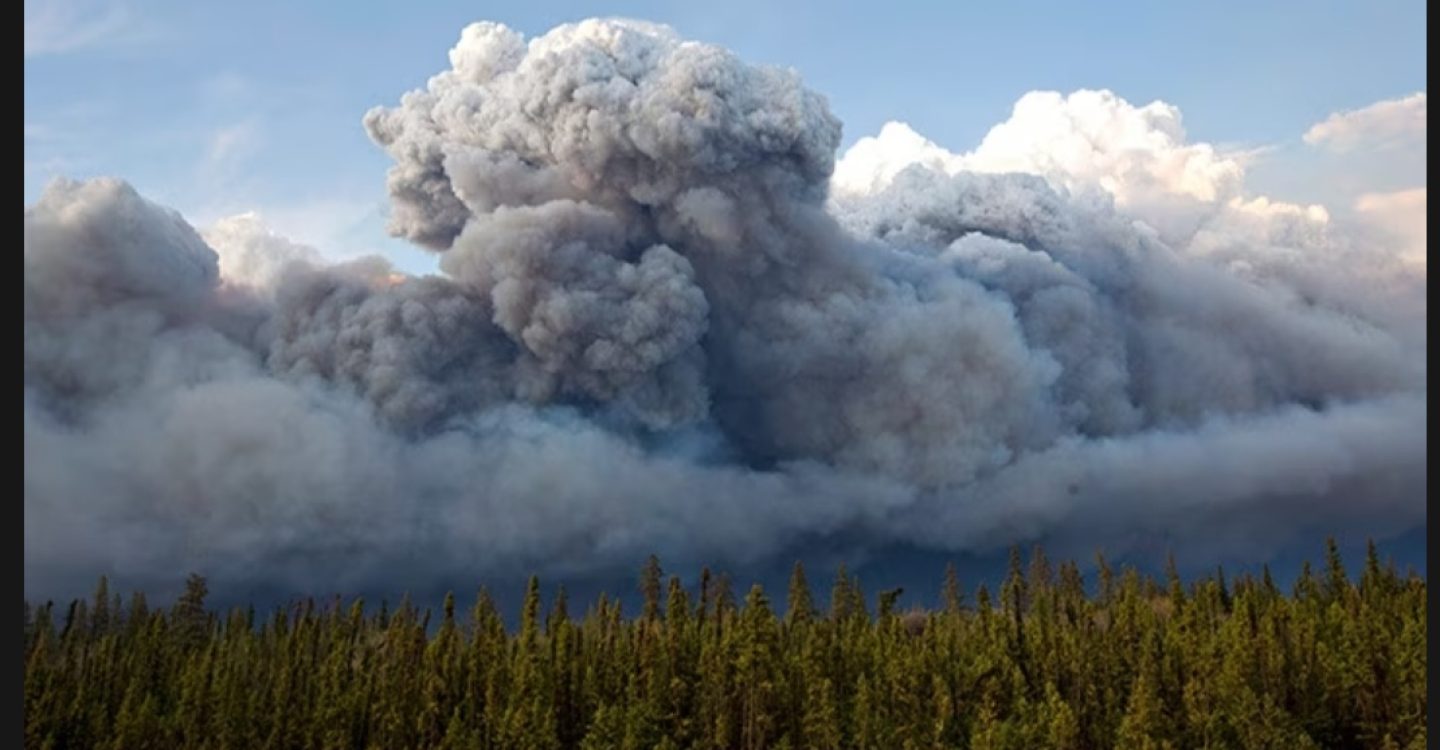
The UK Climate has changed abruptly and irreversibly. The heatwave of 1976 is repeatedly cited as a benchmark for UK heatwaves; it’s not. Last year, 2025, is the new benchmark for severe heatwaves, and in April 2027, 2026 will be the benchmark against which we compare future heatwaves. The trend becomes more and more obvious when we observe 38 years of abrupt climate change and acceleration:
- 1988 Summer in the UK was cool, wet, and dull, featuring an exceptionally grim and cold July alongside an unsettled August
- 1989 Summer in the UK was exceptionally warm, remarkably sunny, and largely dry.
- 1990 Summer in the UK is famous for an extreme heatwave that broke an 80-year national temperature record, alongside a very warm May start and a sunny, dry July
- 1991 Summer in the UK was a two-part season, featuring a very cold, wet June followed by a warm, sunny, and dry late summer
- 1992 Summer started very warm and dry, particularly with a hot June, but turned wet, unsettled, and closer to average temperatures as July and August progressed
- 1993 Summer in the UK was cool, unsettled, and mostly dry in August, marked by a peak temperature of only 25.5°C and a notable mid-summer cold spell starting around July 9
- 1994 Summer in the UK was warm, dry, and unusually thundery, featuring a fine June, a very hot and dry July with temperatures reaching 34°C, and a more unsettled August.
- 1995 Summer in the UK was exceptionally hot, dry, and sunny, ranking as one of the warmest and driest summers in British observational history
- 1996 Summer in the UK was generally dry, sunny, and warm, featuring an early June heatwave, below-average rainfall through July, and above-average daytime temperatures in August
- 1997 Summer in the UK was an extreme and mixed season featuring an exceptionally wet June and a record-warm, humid August
- 1998 summer in the UK was a classic westerly, unsettled season featuring dull and wet conditions in June and July, followed by a sunnier and drier August
- 1999 Summer in the UK was a mixed season featuring a poor June, a superb and very warm July, and a wet, thundery August
- 2000 Summer in the UK was mostly unsettled, cool, and mixed, featuring a brief June heatwave, a cool and cloudy July, and a near-average August
- 2001 Summer in the UK was generally warm, average, and thundery, featuring warm spells in the south, a cool middle of July, and active storms later in August
- 2002 Summer in the UK was mixed, featuring a wet and dull start, warm mid-summer temperatures, and late-season heatwaves. Overall temperatures and rainfall were close to average, though sunshine levels were lower than normal in many areas.
- 2003 in the UK was exceptionally hot, dry, and record-breaking, highlighted by a historic August heatwave that set a new all-time national temperature record
- 2004 Summer in the UK was exceptionally wet, cool, and unsettled, going down in meteorological history as the wettest summer in England and Wales for nearly 50 years since 1956
- 2005 Summer in the UK was generally warm and mixed, featuring a notable mid-summer hot spell, brief June heat, and unsettled.
- 2006 Summer: July was the warmest calendar month on record over much of the UK, though not in south-west England, the south Midlands, south and west Wales, western and northern Scotland, and Northern Ireland. Some places in eastern England exceeded the previous record by more than 1degC
- 2007 Summer: The UK was the wettest on record, marked by severe floods, a displaced jet stream, and heavy downpours. A total of 362.1 mm of rain fell across the UK during the three summer months, breaking long-standing records
- 2008 Summer in the UK was widely remembered as a cold, wet, and miserable washout, characterised by continuous heavy rainfall, below-average sunshine, and disruptive flooding
- 2009 Summer in the UK was a warmer-than-average yet notoriously wet and unsettled season, famously failing its early prediction for a “barbecue summer“
- 2010 Summer in the UK was a season of contrasting extremes, featuring a warm start in June and early July, followed by a wet and cool August. Overall mean temperatures were slightly above average.
- 2011 Summer in the UK was the coolest for nearly two decades (since 1993), featuring an average temperature of 13.6 °C, changeable and wet conditions, and below-average sunshine
- 2012 Summer in the UK was exceptionally wet, cool, and dull, marked by heavy downpours, flash floods, and a dramatic shift from early-year drought concerns
- 2013 Summer in the UK was warm, sunny, and notable for a long mid-July heatwave. The season featured a mean temperature of 15.2°C (0.8°C above average), high pressure systems, and dry conditions
- 2014 Summer in the UK featured a tale of two halves, remembered for a warm, dry start in June and July followed by a remarkably cool, wet August
- 2015 Summer in the UK was generally cool, wet, and unsettled, featuring below-average temperatures, above-average rainfall, and a brief, extreme July heatwave
- 2016 Summer in the UK featured warmer and wetter than average overall, featuring a wet June, a brief mid-summer heatwave, and a hot late-August finish
- 2017 Summer in the UK was warmer and wetter than average, featuring a warm June, a stormy and unsettled July, and a cooler-than-average August. According to the Met Office, the season overall was a damp mix with higher overall average temperatures
- 2018 Summer in the UK featured one of the joint hottest, driest, and sunniest on record
- 2019 Summer in the UK featured unusually warm and wet conditions, featuring record-breaking heat alongside heavy rainfall and severe downpours.
- 2020 Summer in the UK featured warmer, wetter, and duller than average overall, featuring a notable record-breaking heatwave in August and a peak temperature of 37.8°C at Heathrow Airport on July 31
- 2021 Summer in the UK featured a distinct regional divide, with warm, sunny conditions in the northwest and dull, wet weather in the southeast. Key highlights included a notable July heatwave, record-high temperatures in Northern Ireland, and Storm Evert
- 2022 Summer in the UK featured its most extreme heatwave on record. For the first time in UK history, temperatures exceeded 40°C, with a new record of 40.3°C recorded in Coningsby, Lincolnshire. According to the Met Office, over 34 locations across the UK broke the previous national record of 38.7°C, set in 2019.
- 2023 Summer in the UK featured a tale of extreme contrasts, featuring the hottest June on record followed by an unsettled, wet July and August, according to the Met Office. Overall, it ranked as the eighth warmest meteorological summer on record for the UK with a mean temperature of 15.4°C (0.8°C above average), alongside higher-than-average rainfall
- 2024 Summer in the UK featured mean temperatures below average, near-average rainfall with regional variation, and short-lived warm spells
- 2025 Summer in the UK featured the warmest on record for the UK, driven by persistent high-pressure systems, warm surrounding seas, and four distinct heatwaves. According to the Met Office, the mean temperature reached 16.10°C (1.51°C above average), surpassing the previous record set in 2018
- 2026 Summer in the UK featured During summer 2026, England experienced 2 notable heat events, one in May and the other in June, both of which were exceptional for different reasons. The May heat event occurred unusually early in the season, with record-breaking temperatures following a period of unseasonably cool weather. The June event was characterised by its intensity and formed part of a broader period of sustained hot weather across Europe
Sources: MET Office & UK Health Security Agency
The characteristic feature of Global Warming for the UK has been an observable 10-year rise in temperatures from 2016 to 2026.
UK heatwave-related mortality rate 2016- 2026; before this period, there were no statistics for heat mortality. This is not due to a lack of counting; it was due to a lack of heat-related mortality. The reality of climate change is that the UK weather has a novel way of killing the ignorant and the vulnerable.
- During the summer of 2016 saw 3 Level 3 heatwave alerts issued by the Met Office. This resulted in a total estimate of 908 excess deaths over the summer 2016 period.
- During the summer of 2017, England recorded an estimated 778 excess deaths
- During the hot summer of 2018, Public Health England recorded an estimated 863 excess deaths among people aged 65 and over
- The total estimated mortality associated with heatwaves in England in 2020 was 2556; the highest burden in any year since the introduction of the Heatwave Plan for England
- During the summer 2021 heat-health alerting period in England, there were an estimated 1,634 cumulative all-cause excess deaths across two distinct heat episodes
- Although the new figures are not finalised, they are already approaching the annual record of 2985 heat associated deaths reported by the UKHSA in 2022
- UKHSA estimated 2,295 heat-associated deaths during the whole of summer 2023
- There were 1,311 excess heat-related deaths during summer 2024
- UKHSA estimate 1,504 excess deaths observed in summer 2025
- Although final figures are not in 2026 has been the deadliest on record: UKHSA heat mortality monitoring methodology, an estimated 2,877
Most climate deniers will say, “What about winter mortality?
Winter Mortality figures far exceed summer mortality at the moment; nobody is suggesting that they don’t; however, what is clear is that age, poor housing, poverty, fuel poverty and poor insulation contribute to winter mortality. Remember the same people who deny climate change and ask what about winter mortality will also vote for Reform, a party with no policies for the most vulnerable members of our society.
Winter mortality rates are currently falling, as summer rates increase. Poverty, poor housing, substandard insulation, homes built for a cooler climate, and ignorance about heat/humidity risk are now factors that affect who survives heatwaves now and in the future. As long as the media continues to show pictures of beaches and people in the sun with ice-creams, people will fail to understand that excessive heat and humidity are killers.
- During the 2015/16 winter period in England and Wales, there were an estimated 24,300 excess winter deaths
- In England and Wales, the winter of 2016 to 2017 saw an estimated 34,300 winter deaths
- During the severe winter of 2017 to 2018 (featuring the “Beast from the East” cold snap), England and Wales recorded an estimated 50,100 excess winter deaths
- There were 23,200 excess winter deaths in England and Wales during the 2018–2019 winter, with an estimated 5,665 of those deaths linked specifically to cold housing conditions
- An estimated 28,300 excess winter deaths occurred in England and Wales during the 2019–2020 winter period, reflecting cold-weather, seasonal illness, and housing factors
- During the winter of 2020–2021, the Office for National Statistics recorded an estimated 60,760 to 63,000 excess winter deaths in England and Wales. The vast majority of these deaths were driven by the COVID-19 pandemic rather than low temperatures directly, while models attribute around 14,502 of those excess deaths specifically to living in cold, damp housing
- Data for 2021-2022 is not available
- An estimated 3,963 to 5,533 deaths in England were attributed to extreme cold periods during the winter of 2022 to 2023, while direct deaths from hypothermia or excessive natural cold remain in the single digits annually
- An estimated 2,544 cold-associated deaths occurred in England across three cold weather episodes between November 2024 and January 2025, according to data published by the UKHSA
- An estimated 2,544 deaths in England were associated with cold weather across three specific cold episodes between November 2024 and January 2025, according to the inaugural Cold Mortality Monitoring Report published by the UK Health Security Agency. Of these, 1,448 deaths were directly linked to cold temperatures, while 1,095 deaths involved overlapping influenza circulation
What is evident from the winter mortality figures is that poor housing, poverty, substandard insulation and age are major vulnerabilities to cold. The same is true of extreme heat.
New data on heat and humidity vulnerability indicates that 35°C is not a realistic human survival threshold. “Recent projections suggest that large geographical areas will soon experience heat and humidity exceeding limits for human thermoregulation. The survivability limits modelled in that research were based on laboratory studies suggesting that humans cannot effectively thermoregulate in wet bulb temperatures (Twb) above 26 to 31°C, values considerably lower than the widely publicised theoretical threshold of 35°C.”
“There is mounting concern that climate change may soon render large areas of the planet uninhabitable (1). Recent research suggests that, even at 1.5 °C of global average warming, certain regions (primarily in the Global South) will occasionally see conditions so hot and humid that they breach the limits of human survivability. Growing recognition of the thinning safety margin between experienced heat extremes and the limits of human heat tolerance has motivated the incorporation of data on thermoregulation and other physiological impacts into weather and climate models. The coming years will see such models contributing to the development of health-centric warming projections and adaptation efforts for protecting at-risk populations.”
“In 2023, Vecellio et al argued that the true limit for thermoregulatory compensability likely occurs at 26 to 31 °C Twb. In contrast to the theoretical 35 °C Twb threshold, Vecellio et al. based their assessments on estimated empirical limits derived from laboratory studies. Under current planetary warming, Twb exceeding empirical limits will be experienced in large areas of the globe by 2100, mostly in the Global South. Incorporating these limits into climate modelling resulted in an ~4,100-fold greater elevation in projected uncompensable heat stress with 2 °C global warming compared to the 35 °C Twb threshold.” https://pmc.ncbi.nlm.nih.gov/articles/PMC12002229/
Heat stress will be the most likely driver of human migration in the future
“A phenomenon which kills indiscriminately is a driver of human migration. In a country of 1.4 billion people where at least half of the labour force works outdoors and only 10% come home to air conditioning, heat is more than a discomfort. It’s a threat to the economy, livelihoods, and health.” https://www.dw.com/en/heat-extreme-weather-heath-climate-change-economy/a-73036205
The question is, will the UK’s increasingly deadly heatwaves drive a new human migration from Britain to northern Europe, and will they be as unwelcome as some people want to make immigrants to this country?
